

What to Expect During a Standard Well Pump Installation
For homeowners considering a well pump installation, understanding the stages of the process can hugely alleviate concerns. This article aims to provide a step-by-step guide on what to expect during a standard well pump installation. By demystifying each phase, from initial assessment to post-installation maintenance, homeowners can feel more prepared and informed.
Assessing the Site
Site Evaluation
Site evaluation is a critical first step in the well pump installation process. Professionals conduct thorough assessments to determine the suitability of a location for installation. Factors considered include the geographical features of the area, such as terrain and vegetation. Accessibility is also a key point; ease of access influences installation logistics and potential future maintenance. A detailed evaluation ensures the best possible site is chosen, optimizing both pump functionality and longevity.
In areas where terrain may be challenging, alternative solutions must be devised to facilitate access. This may involve clearing pathways or ensuring specific equipment can be used without environmental damage. Given the complexities of varying terrains, professional expertise ensures that site evaluation leads to a practical and efficient action plan. Through surveys and careful planning, site evaluation becomes a foundational step in a successful installation.
Technological tools like GPS mapping assist in site selection by providing precise topographic information. This ensures the most effective well placement to guarantee adequate water supply and pump longevity. Professionals emphasize the importance of site selection as it directly influences the efficiency and lifespan of your well system.
Water Needs Analysis
Understanding household water consumption is pivotal in determining the correct pump size. The water needs analysis evaluates daily usage patterns, peak usage periods, and potential future needs. Professionals gather data by estimating the household occupancy and specific usage conditions. This analysis ensures the well pump satisfies current needs while accommodating potential expansion. Improper sizing can lead to inefficiencies and increased wear on pump materials.
Homeowners typically engage in consumption reviews with professionals to fine-tune this analysis. Such consultations allow for personalized recommendations, ensuring the chosen pump is neither under nor overpowered. A comprehensive analysis incorporates all aspects of water use, from domestic activities to any agricultural or gardening needs. Foresight in this process is invaluable, as it mitigates unnecessary costs or complications in system operation.
Additionally, water needs analysis takes into account potential future changes. If an addition to the home is planned, or if usage is expected to increase substantially for other reasons, these should be noted. By anticipating changes, the analysis ensures that the pump can meet future demands without requiring excessive modifications. This step illustrates the proactive nature of professional well installers, who seek to provide solutions tailored to not only current but also future expectations.
Surveying and Mapping
Surveying and mapping lay the groundwork for the precise placement of the well. Professionals use sophisticated tools and technology to create accurate maps of potential well sites. Such maps indicate geological features, property boundaries, and utility lines. With this information, installers can optimize the well position for accessibility and efficiency. Site mapping is indispensable, as it ensures alignment with all logistical and legal requirements.
The surveying process verifies that the well will not interfere with other utilities or infringe on neighboring properties. By coordinating with utility companies, professionals prevent complications from unseen underground installations. Through comprehensive mapping, potential risks are minimized, and installation proceeds smoothly. This preparatory step demonstrates the meticulous planning involved in professional well installations.
Mapping also considers the future landscape of the property. Design plans are factored into the survey, ensuring that the well's placement aligns with homeowner plans. Surveying and mapping maximize the efficacy and lifespan of the well system by placing it in the most appropriate location on the property.
Selecting the Right Equipment
Types of Well Pumps
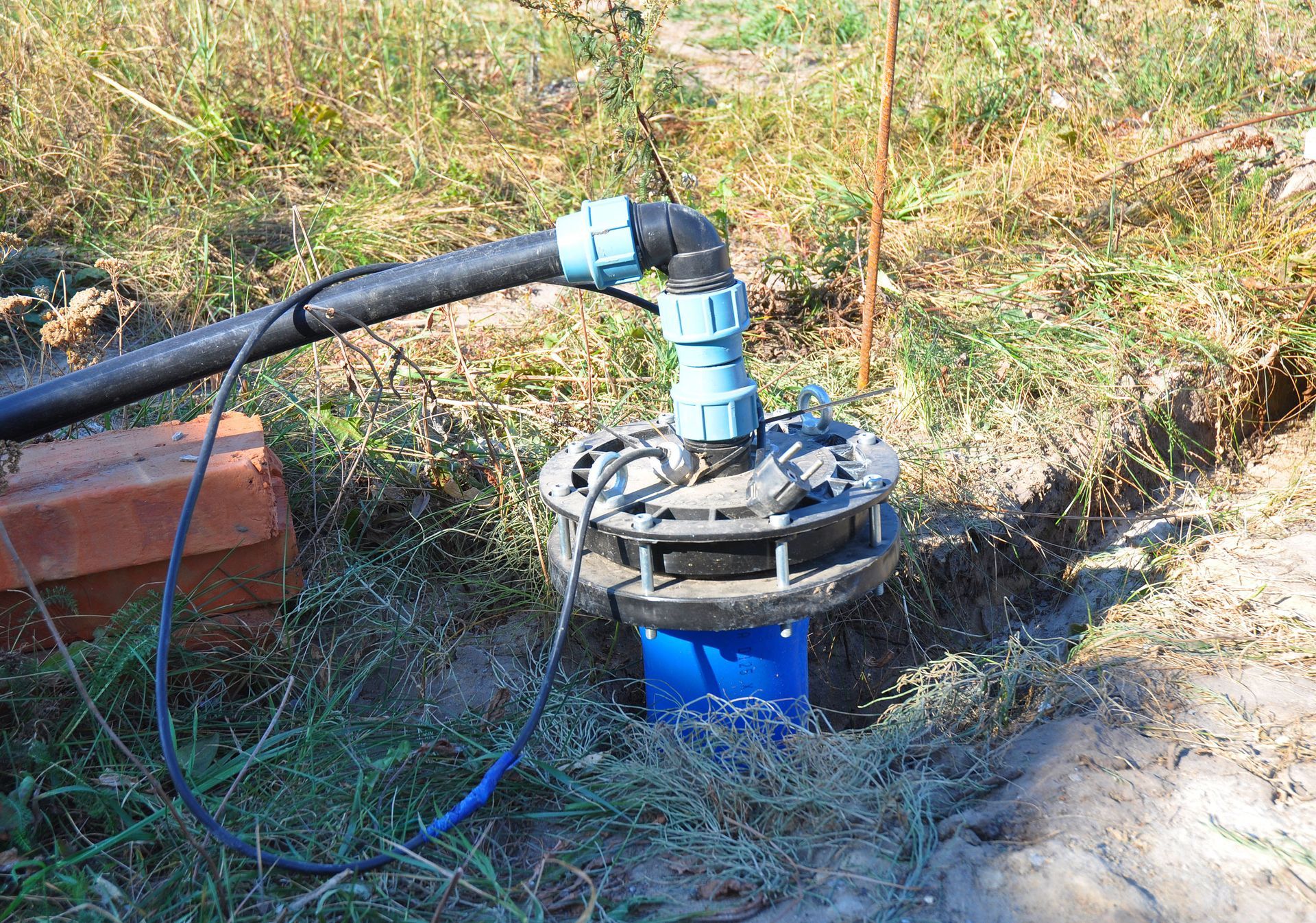
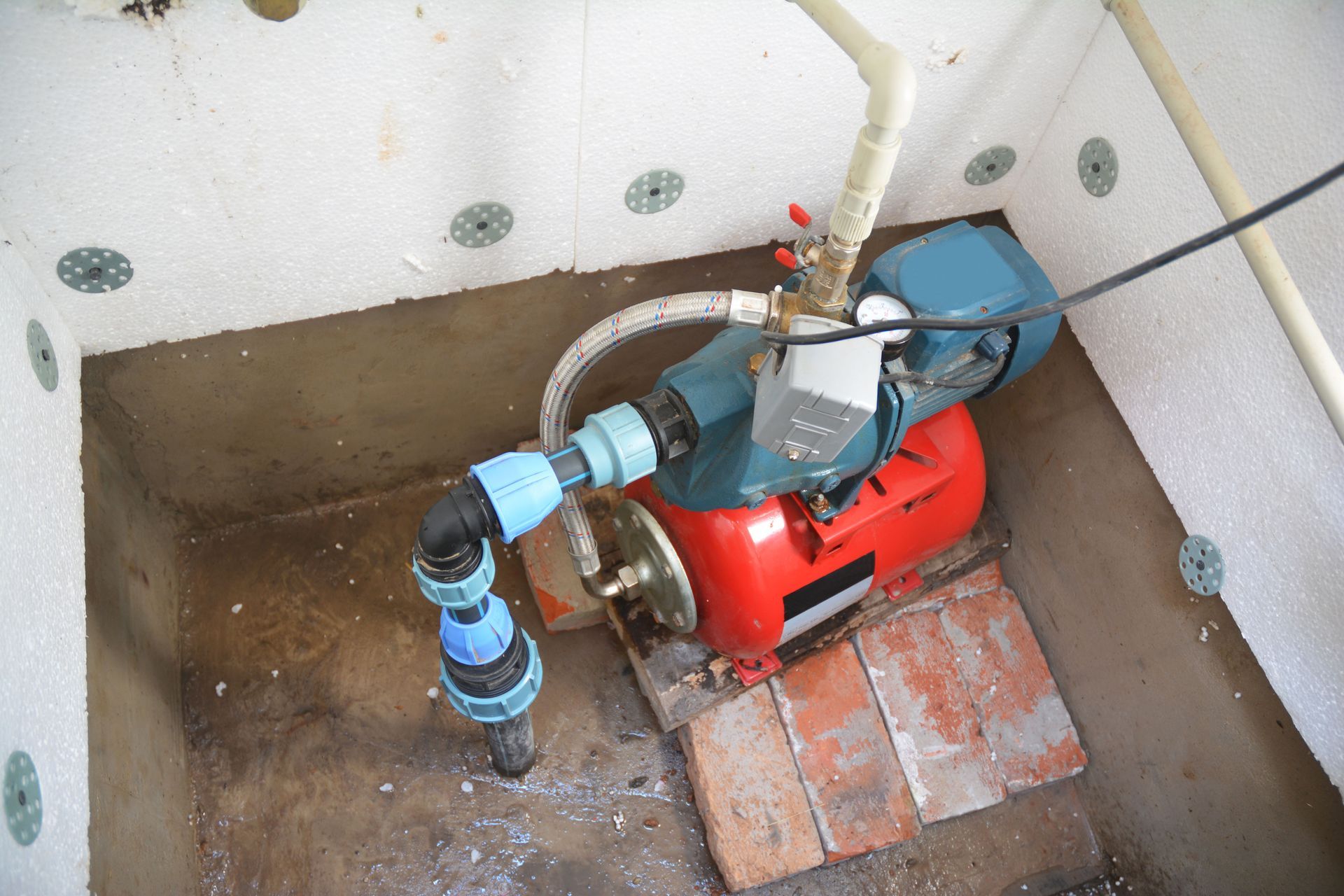
Well pumps come in various types, each with its unique characteristics and suitability for specific situations. The two primary types are jet pumps and submersible pumps. Jet pumps are typically used for shallow wells and operate by creating a vacuum that draws water upward. In contrast, submersible pumps, according to Residential Water Treatment Systems, are crucial for deep wells, which can be as deep as 200 feet or more. Each pump type has its pros and cons; for example, submersible pumps are efficient and require less maintenance but can be more challenging to access for repairs.
Beyond the type, factors like pump capacity and power requirements are critical in selecting the right pump. Professionals evaluate the specific demands of the household, ensuring that the chosen pump can meet the need without strain. By assessing factors such as vertical lift and pressure requirements, they guarantee optimal performance. Selecting the right pump type is not merely about immediate needs; it's about ensuring longevity and reliability of the water system.
The choice of a well pump is also influenced by personal preferences and budgetary constraints. While submersible pumps typically offer greater efficiency for deep wells, they are generally more expensive upfront. Conversely, jet pumps might be preferred for cost considerations in shallower applications. By evaluating both the technical and economic facets, homeowners and professional installers together decide on the most appropriate pump type.
Power Requirements
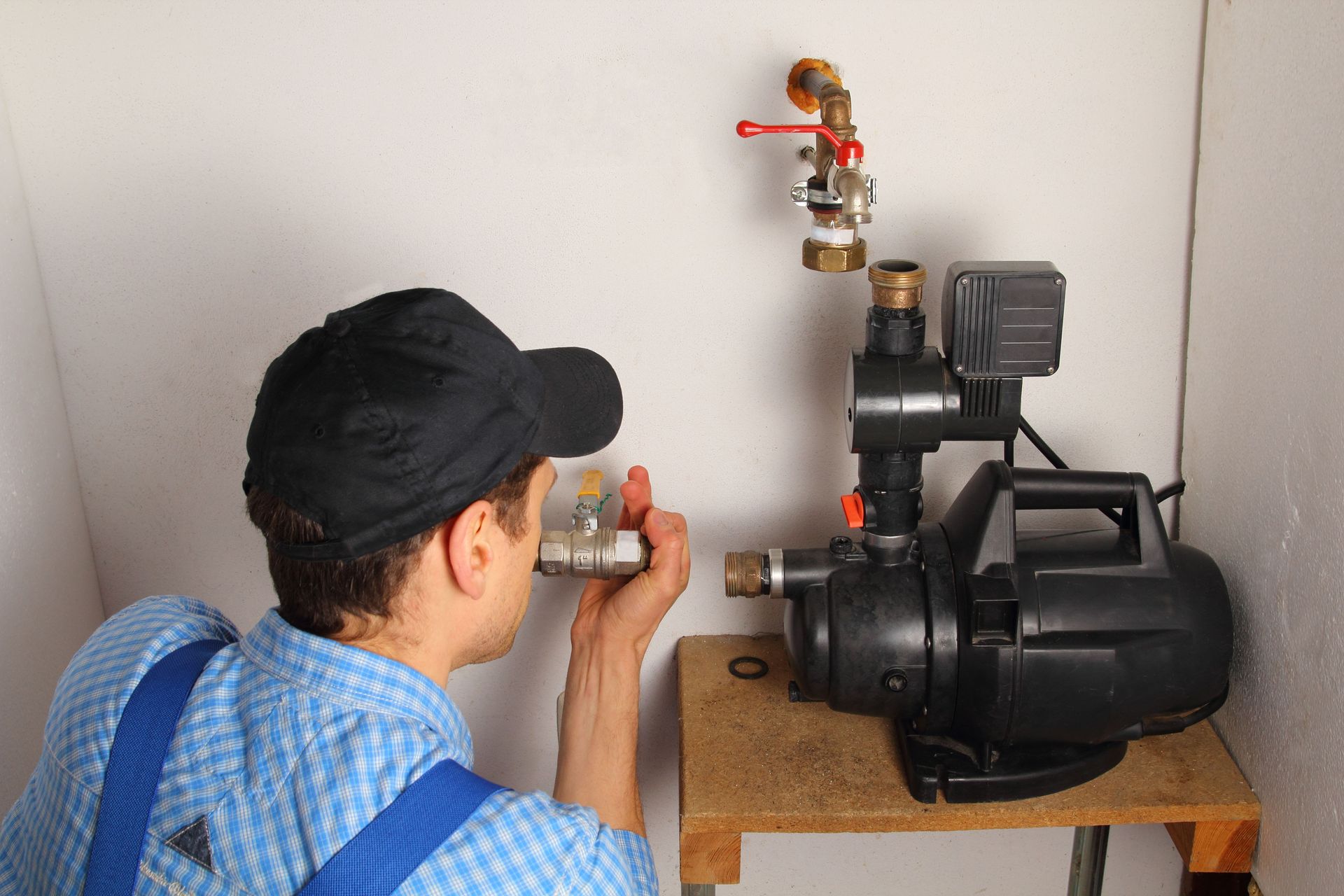
Determining the power requirements is a fundamental aspect of preparing for well pump installation. Since well pumps rely on electricity, ensuring an adequate power supply is necessary for smooth operation. Professionals assess the existing electrical system to ensure it can support the pump's energy needs. In some cases, infrastructure development or upgrades may be necessary to meet those needs. Additionally, correct wiring and connections ensure safety and efficiency, as improper installation can lead to electrical hazards.
Moreover, the choice between AC and DC power sources often depends on location and availability of local infrastructure. In areas without steady electricity supply, alternative sources such as generators or solar panels might be considered. Professional guidance helps navigate these considerations, ensuring that the installed pump operates reliably under all conditions. Planning for power provision involves collaboration between professional installers and homeowners, aligning with all utility codes and regulations.
A well-managed power setup supports the pump's long-term functionality without interruptions. Routine checks by professionals can maintain electrical systems and mitigate unexpected shutdowns. With comprehensive consideration of all power-related aspects, a robust understanding of energy requirements ensures the optimal operation of the chosen pump.
Material Choices
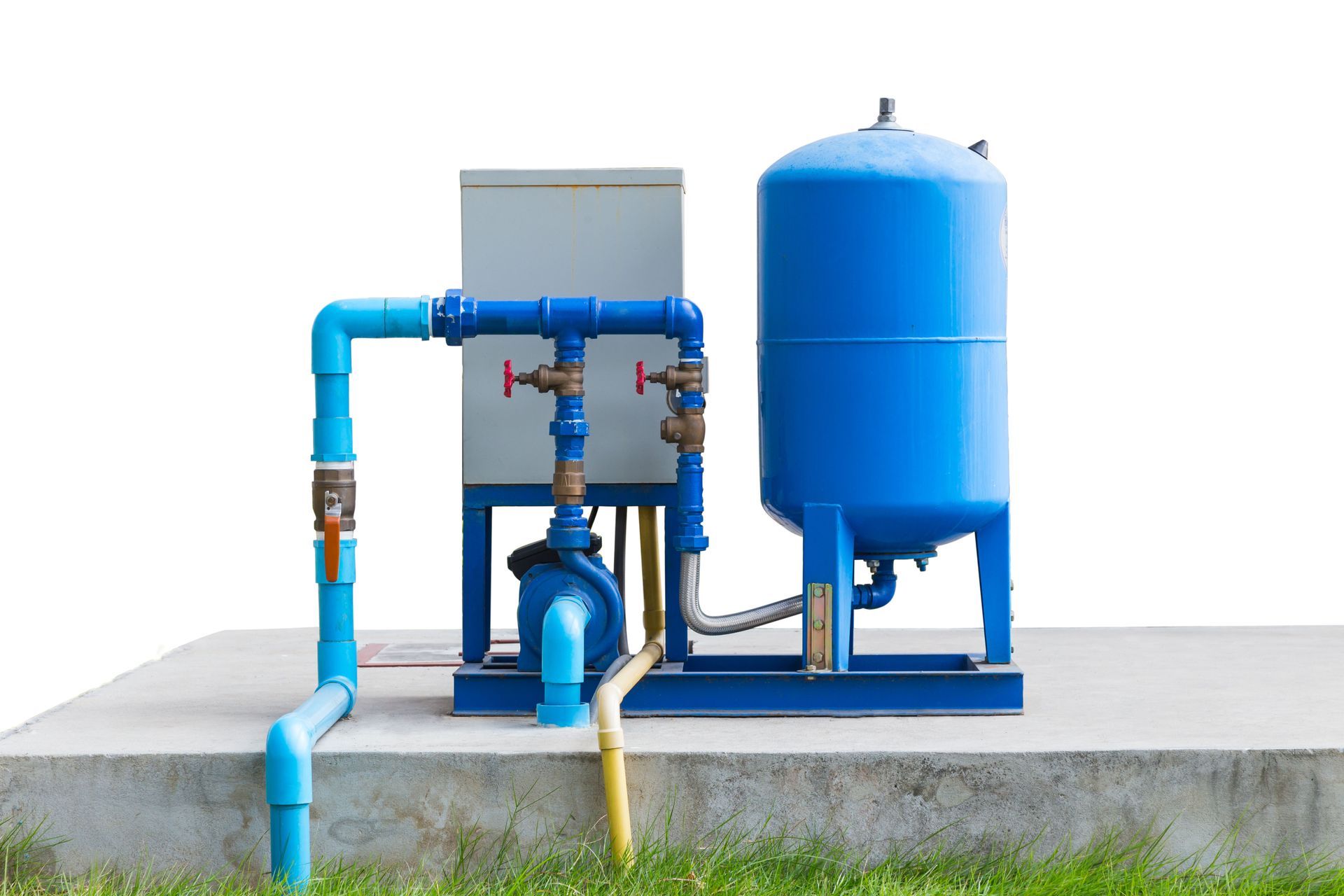
Material selection is crucial in determining the durability and functionality of a well pump system. Pipes, pump housings, and other components come in materials like PVC, stainless steel, and brass. Each material offers unique benefits; for instance, stainless steel resists corrosion, while PVC proves cost-effective and lightweight. Professional installers help homeowners choose the best materials in line with the specific environmental conditions and budgetary constraints.
Material durability is especially important given the continual interaction with water and other surrounding elements. Durable materials extend the lifespan of the system, reducing the frequency of replacements or repairs. By balancing cost and expected lifespan, installers recommend materials that offer the best value over time. Material choice is a practical concern that impacts the well system's overall performance, longevity, and environmental footprint.
The complexity of
well pump installation stems from the intricate interplay of technical, electrical, and environmental factors. Professional installers offer experience and knowledge to navigate these complexities efficiently. If you want to learn more, reach out to Clear Flow Water Solutions today!




Share On: