

How to Extend the Life of Your Well Pump With Simple Maintenance Tips
Your well pump plays a major role in keeping water flowing throughout your home. When it works properly, it is easy to forget it is there. When it starts to struggle, though, daily routines can quickly become frustrating. A little maintenance can go a long way toward helping your system run more efficiently and reducing the risk of expensive repairs.
Many well pump problems develop gradually. Low pressure, odd noises, frequent cycling, and changes in water quality often begin as minor warning signs before turning into larger issues. Learning what to look for and building a simple maintenance routine can help homeowners catch problems early and support the long-term performance of the system.
1. Learn How Your Well Pump System Works
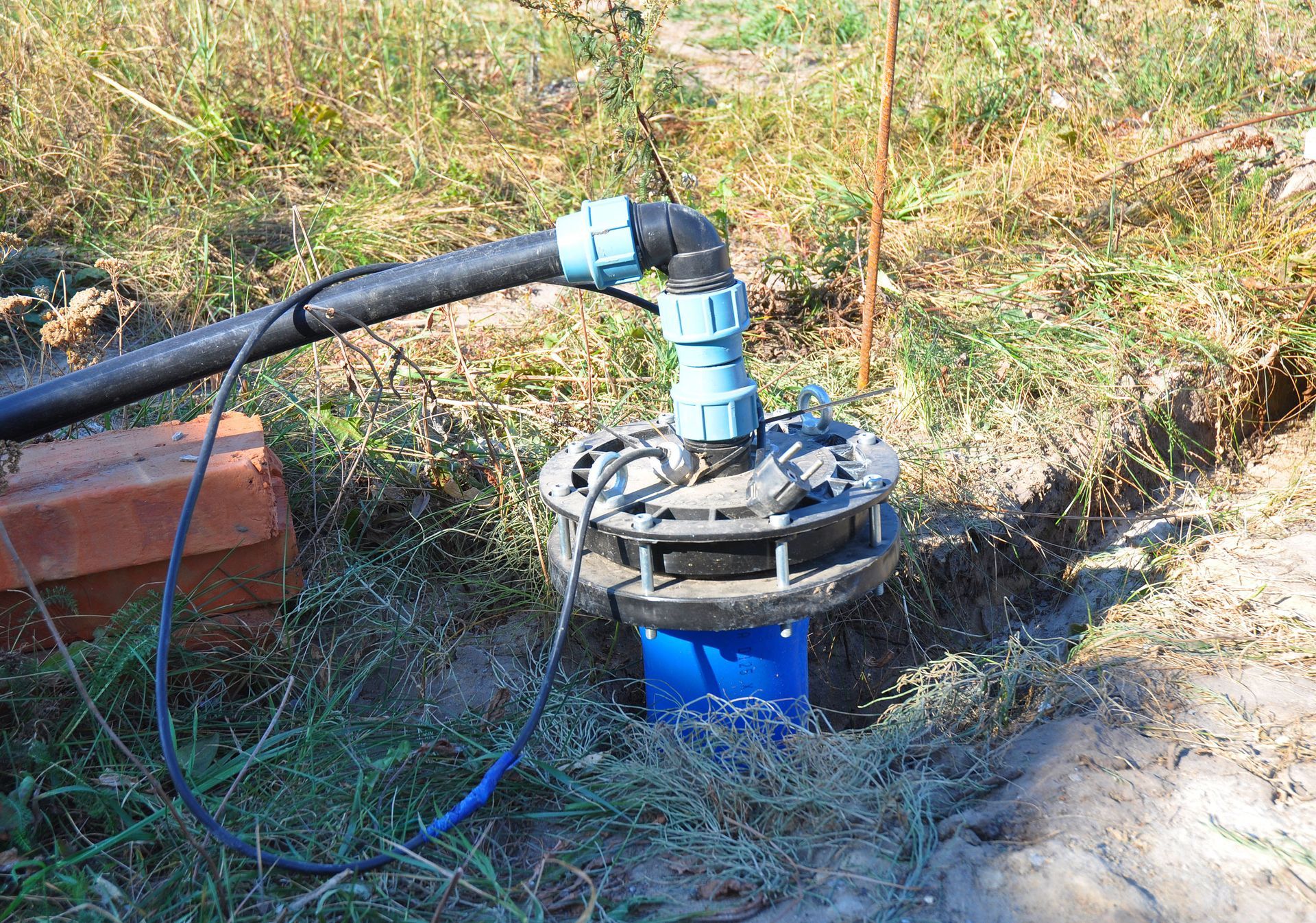
Understanding the basics of your well pump can make maintenance easier. Most homes use either a submersible pump or a jet pump. Submersible pumps are placed deep inside the well and are commonly used for deeper water sources. According to the Residential Water Treatment Systems, submersible pumps are the most common type used in deep wells, which can be as deep as 200 feet or more. Jet pumps are often used for shallow wells and are installed above ground. Each type has its own strengths, but both rely on a combination of mechanical parts and pressure controls to move water into the home.
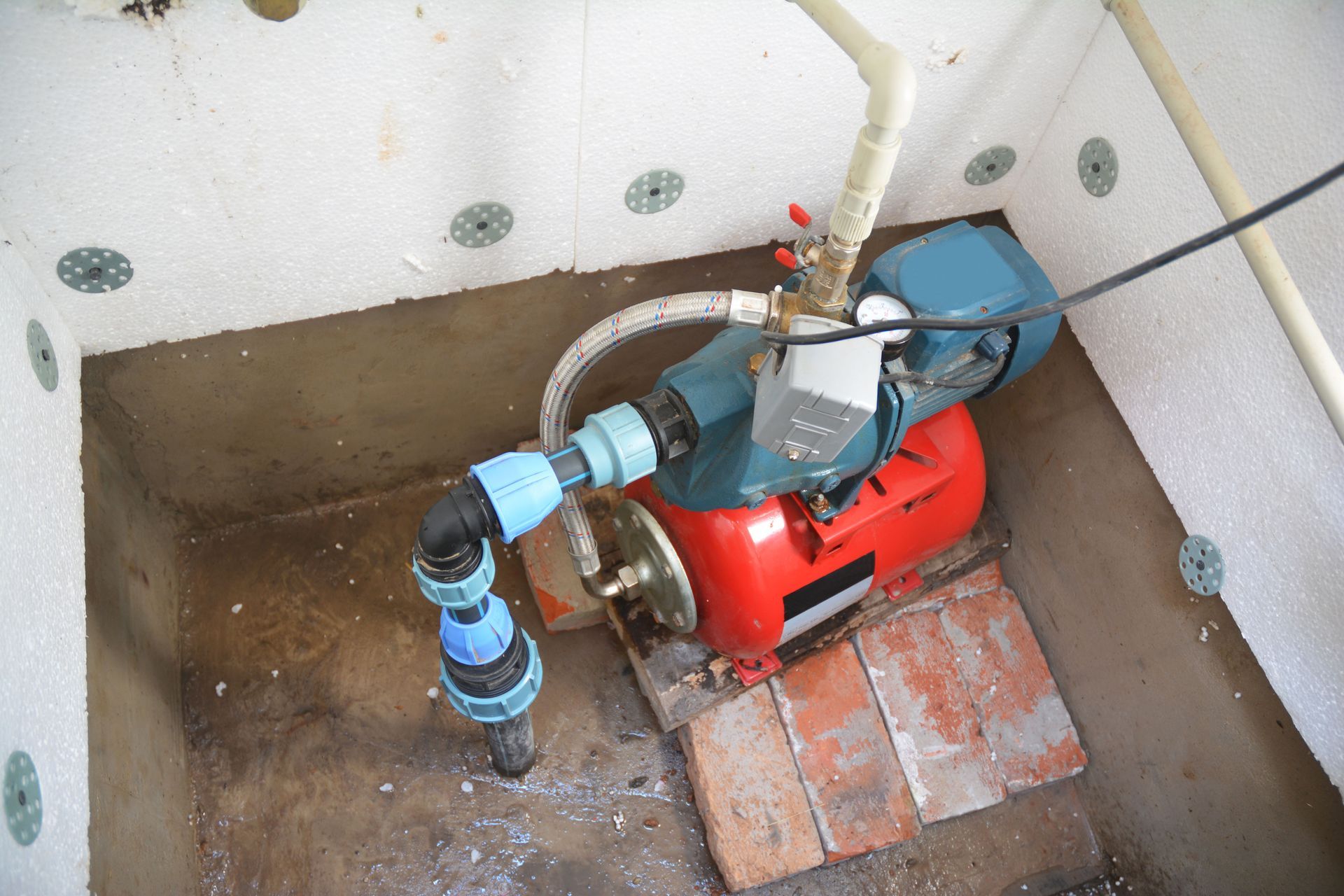
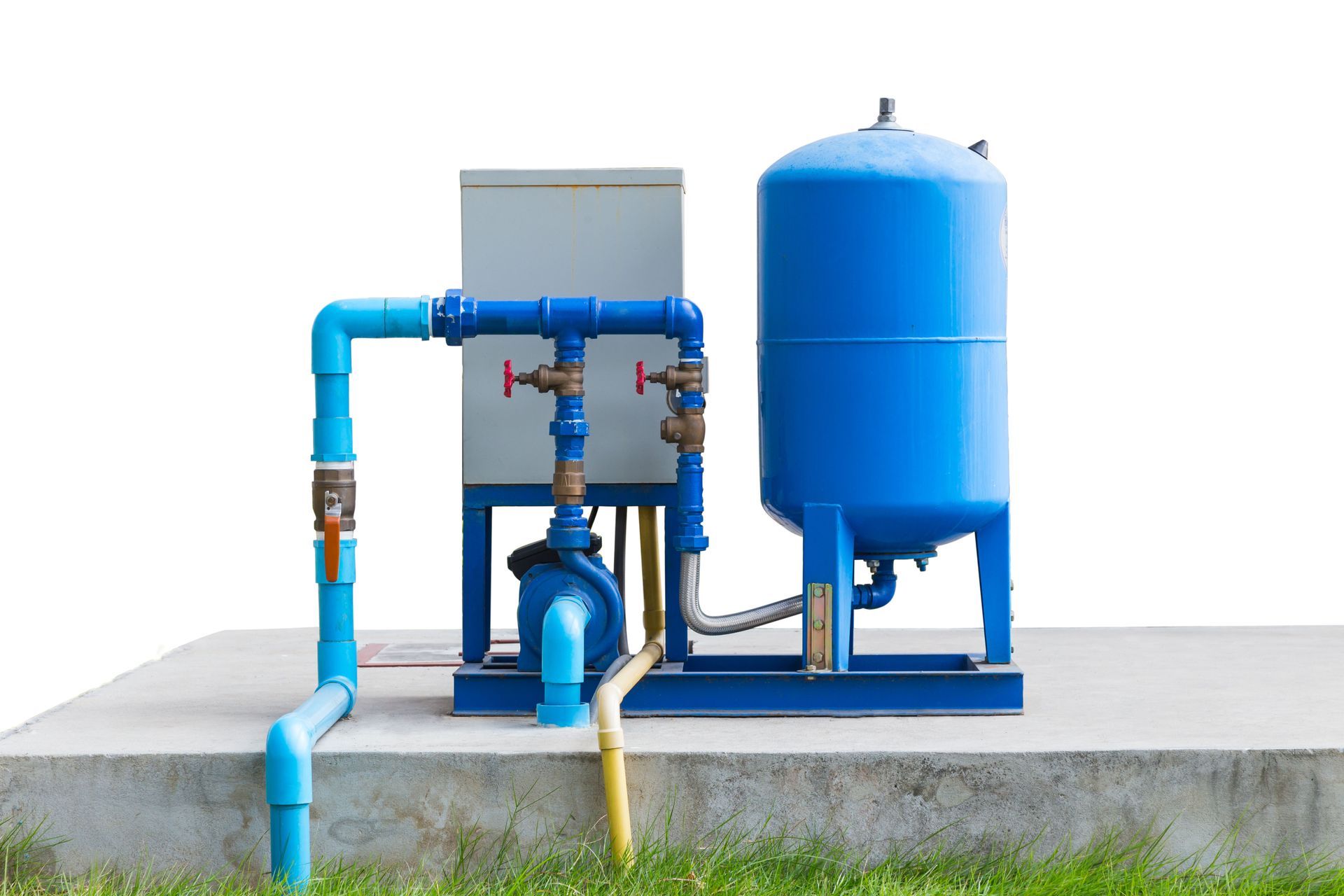
The system usually includes a motor, impellers, pressure switch, pressure tank, pipes, and check valves. The motor powers the pump, while the impellers help move water through the system. The pressure switch tells the pump when to turn on and off based on household demand. The pressure tank helps regulate water pressure and reduces how often the pump has to cycle.
When one part begins to wear down, the rest of the system can feel the effect. That is why it helps to recognize common warning signs. Reduced water pressure, sputtering faucets, constant pump operation, and unusual sounds can all point to trouble. The earlier you spot these symptoms, the easier it may be to address them.
2. Perform Routine Visual Inspections
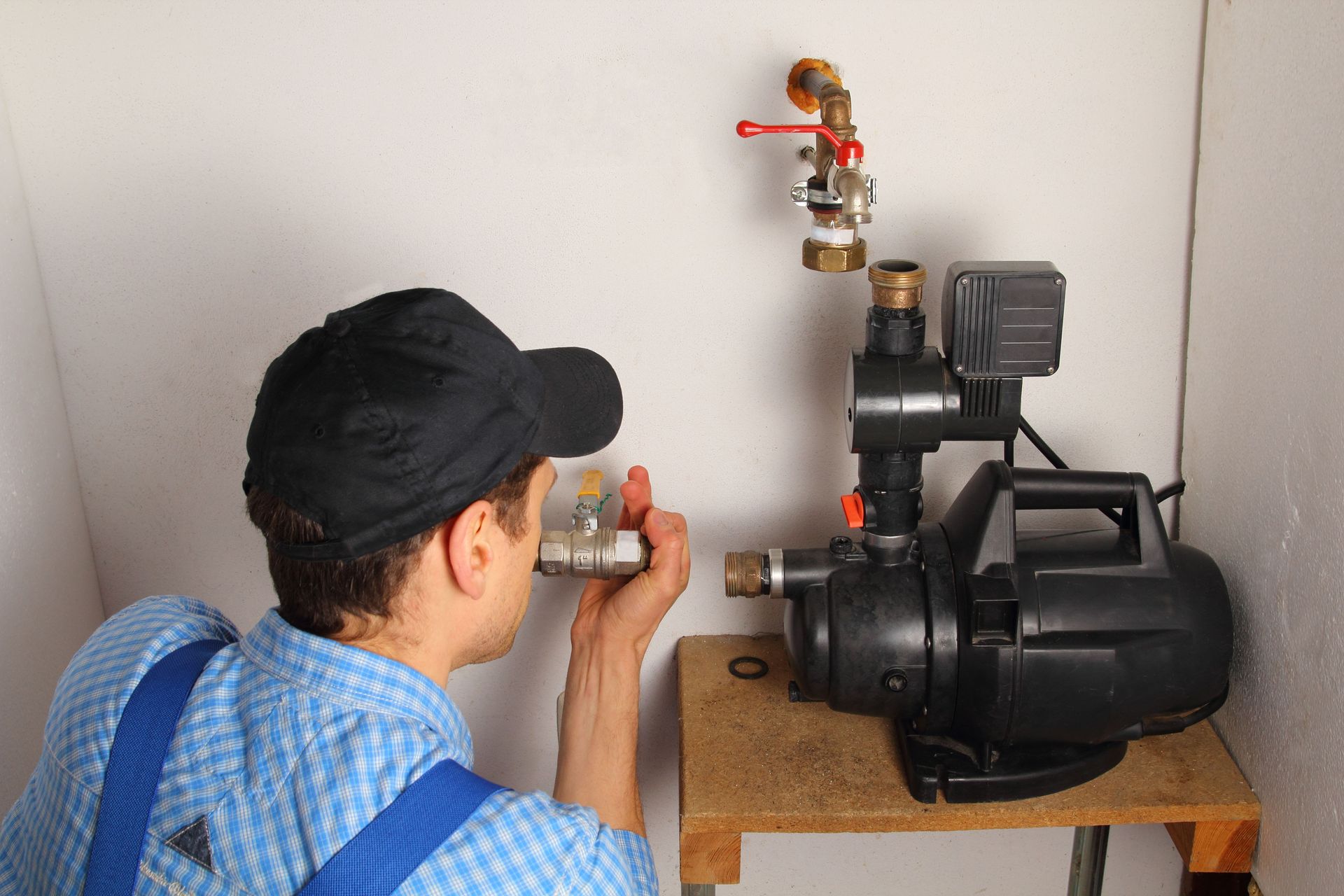
One of the simplest ways to extend the life of your well pump is to look at the system regularly. A quick visual check can reveal signs of wear before they develop into a full breakdown. Start by inspecting the pump housing and nearby components for rust, cracks, moisture, or leaks. Even minor damage can expose the system to more serious issues over time.
You should also check the area around the well pump. Dirt, clutter, and standing water can interfere with performance and make it harder to spot developing problems. Keeping the area clean can help protect the equipment and make routine inspections more effective.
Electrical connections deserve close attention as well. Loose wires, corrosion, or damaged insulation can affect performance and create safety hazards. Always shut off power before examining any electrical components. If something looks worn or unsafe, it is smart to have it checked by a qualified technician.
Pressure gauges can also provide helpful clues. A gauge that stays within the normal range often suggests stable operation. If the reading fluctuates or drops unexpectedly, there may be a leak, blockage, or pressure switch problem. Watching these small details over time can help you notice changes before they become more costly to correct.
Sound is another useful indicator. A well pump that suddenly begins grinding, rattling, or humming louder than usual may be struggling with worn bearings, loose parts, or other mechanical problems. Strange sounds should not be ignored, especially if they continue or become more noticeable.
3. Monitor Water Quality and Its Effect on the Pump
Water quality has a direct impact on well pump performance. Sediment, mineral buildup, and contaminants can all place added strain on the system. If your water contains a high amount of sand or sediment, those particles can wear down internal parts and reduce the pump’s efficiency. Over time, this may shorten the lifespan of the equipment.
Hard water can also be tough on a well pump. Minerals such as calcium and magnesium may create scale buildup inside pipes and system components. That buildup can restrict water flow, affect pressure, and force the pump to work harder than necessary. When a pump is under added stress for long periods, wear tends to happen faster.
Testing your water at regular intervals can help you identify these issues early. Many homeowners benefit from annual water testing, though you may want to test sooner if you notice a change in taste, smell, or appearance. Cloudy water, staining, unusual odors, or grit in the water can all point to a problem that needs attention.
If testing reveals contamination or heavy mineral content, treatment options may help protect both your household water supply and your equipment. Depending on the issue, treatment may include sediment filters, water softeners, disinfection methods, or other filtration systems. Matching the treatment to the specific water condition can support cleaner water and reduce strain on the pump.
Paying attention to water quality is not only about what comes out of the tap. It is also part of a larger maintenance plan that helps the pump do its job with less wear.
4. Stay Consistent With Scheduled Maintenance
Routine maintenance gives your well pump a better chance of lasting for many years. A consistent schedule can help you catch buildup, pressure issues, and worn components before they lead to a major interruption in service. Even simple upkeep tasks can make a noticeable difference over time.
One common maintenance step is cleaning the pressure tank. Sediment can collect inside the tank and affect how efficiently it works. Draining and checking the tank from time to time can help keep pressure levels more stable. During this process, look for leaks, rust, or other visible signs of wear.
The pressure switch should also be checked regularly. Because it controls when the pump starts and stops, a poorly calibrated or worn switch can cause the system to cycle too often or fail to respond properly to water demand. If the settings are off, the pump may work harder than needed. Replacing a faulty switch may improve overall performance and reduce unnecessary strain.
Flushing the pump system can help clear out sediment and debris that build up in the lines. This may be especially helpful if you have noticed lower water pressure or signs of dirty water. Removing buildup can improve water flow and reduce internal wear.
Some pump systems also include moving parts that need lubrication. In those cases, follow the manufacturer’s recommendations closely. Using the wrong product or applying too much can create its own problems. When done properly, lubrication helps reduce friction and wear on parts such as bearings and seals.
Cold weather maintenance is also important in areas where freezing temperatures are common. Exposed pipes and above-ground components should be insulated to reduce the risk of freezing. Ice can block water flow, damage pipes, and place heavy stress on the system. A pump that is protected during the winter months is less likely to suffer seasonal damage.
Extending the life of your well pump often comes down to paying attention, staying consistent with maintenance, and acting quickly when something seems off. Routine inspections from an expert, water quality testing, seasonal care, and early troubleshooting can all help reduce wear on the system and support more dependable performance. When a problem goes beyond routine upkeep, bringing in a professional can protect your equipment and help restore normal operation before the issue gets worse. With steady care and a practical maintenance routine, your well pump can continue supporting your home’s water needs for years to come. Contact Clear Flow Water Solutions today to learn more about how our team can help.

Share On: