

What to Expect During a Professional Well Pump Service
Ensuring the long-term efficiency and structural longevity of a residential well pump is absolutely crucial, especially for property owners who rely entirely on private wells for their daily clean water supply. Scheduling a regular, professional well pump service is not just an optional preventive measure; it is an absolute operational necessity to avoid catastrophic system failures, contaminated water supplies, and incredibly costly emergency plumbing repairs.
This comprehensive guide provides an in-depth, step-by-step breakdown of exactly what happens during a standard service appointment. By understanding the detailed initial assessments, technical diagnostic testing procedures, common system repairs, and vital preventive maintenance measures involved, you can confidently manage your property's private utility infrastructure and secure an uninterrupted flow of water.
Initial Assessment and Inspection
Water Output and Depth Evaluation
The initial phase of a professional well pump service involves a rigorous evaluation of the system's total water output to ensure it seamlessly meets your household's daily culinary and sanitation needs. A certified water technician will measure the current gallons-per-minute (GPM) flow rate against the pump's original manufacturer specifications to determine if the machinery is operating at peak performance levels.
Simultaneously, the technician will measure the current water table level and assess the physical integrity of the deep well casing using specialized tools. This critical step detects dangerous subsurface anomalies, such as heavy sediment accumulation, biological scaling, or structural casing collapses, before they permanently destroy the submersible pump motor.
Component Checks and Settings Calibration
Electrical infrastructure and pressure delivery components are the core drivers of your water system. During this step, the technician meticulously inspects the well’s dedicated electrical control box, checking for corroded wiring, loose terminal connections, and signs of thermal wear. This inspection prevents unexpected electrical fires and abrupt system shutdowns.
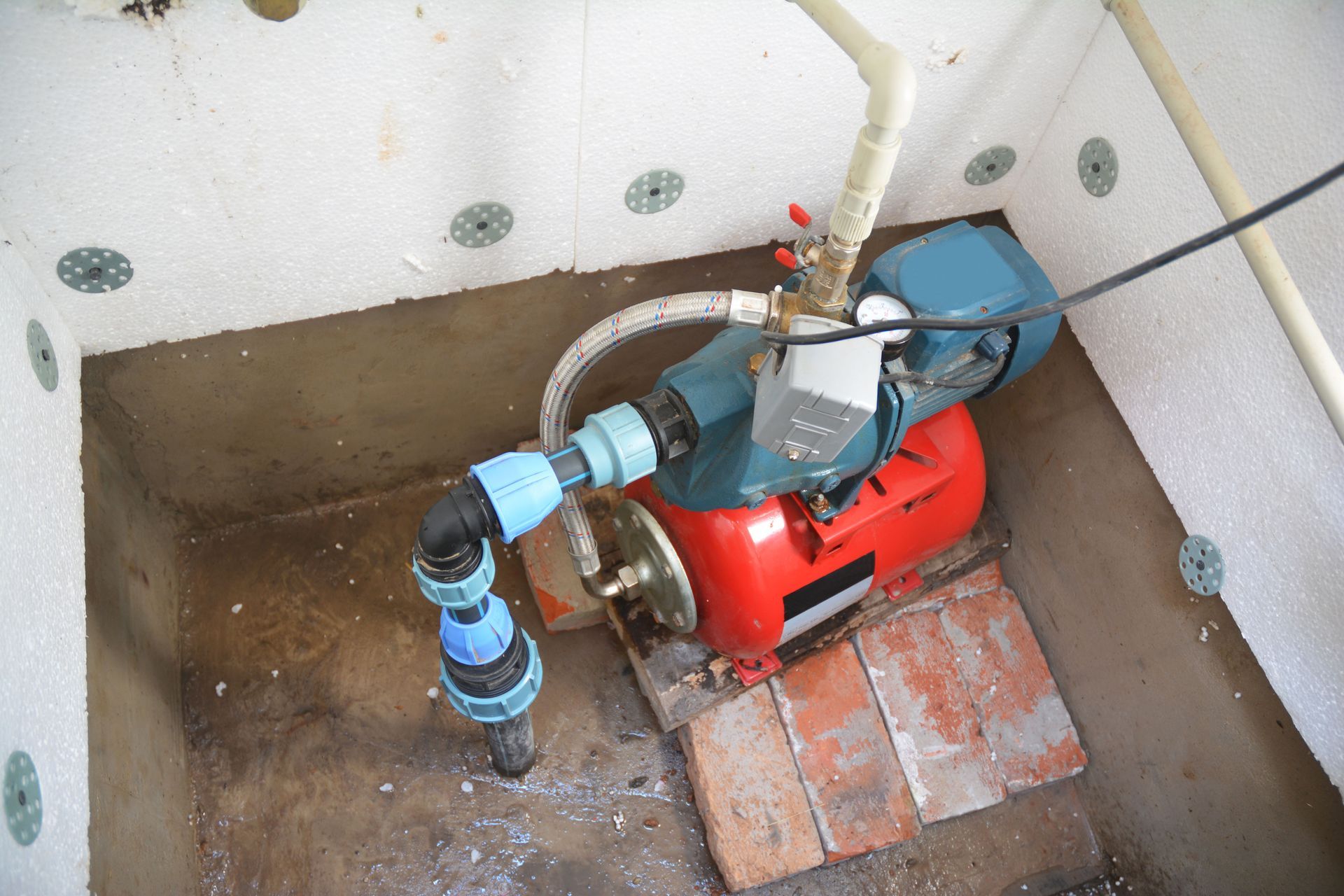
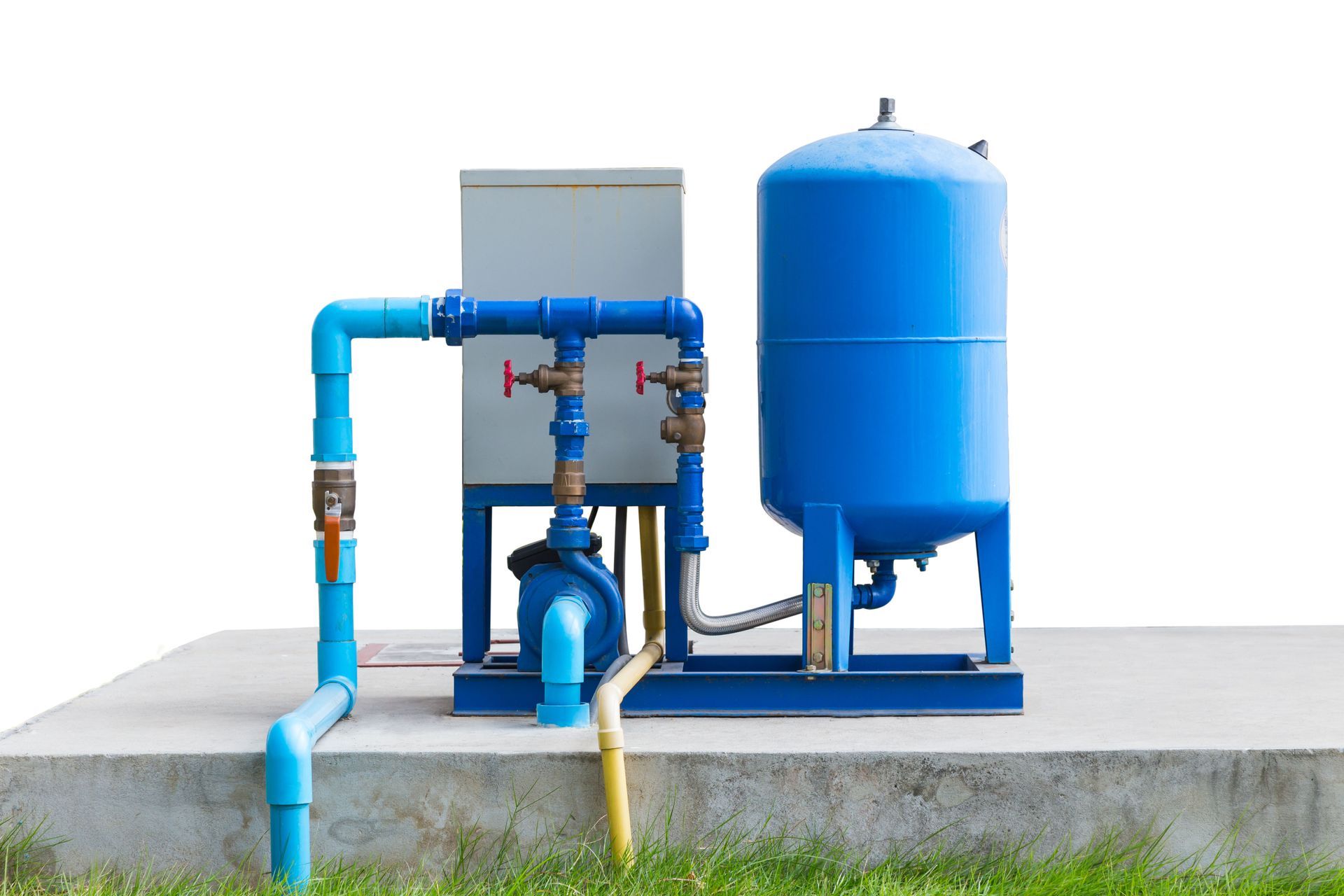
Following the electrical review, the technician will test and calibrate the system's pressure switches and expansion tanks. Improperly calibrated pressure settings can over-pressurize your home's infrastructure, leading to burst water lines, or cause the pump to cycle rapidly, which burns out the motor. All initial baseline findings are carefully documented to establish an accurate service history for your property.
Diagnostic Testing Procedures
Performance and Mechanical Evaluation
Diagnostic testing represents the scientific heart of a thorough well pump service. Technicians utilize specialized flow meters, amp probes, and vacuum gauges to evaluate the precise mechanical efficiency of the internal components. A noticeable drop in active water pressure or an inflation in daily electrical consumption often points to severe internal mechanical issues, such as worn-out impellers, failing bearing assemblies, or advanced motor degradation. Catching these mechanical vulnerabilities early through standardized diagnostic tracking allows homeowners to arrange scheduled repairs, completely avoiding the nightmare of suddenly losing water.
Leak Detection and Water Quality Testing
Subsurface and surface leaks within your well infrastructure can lead to massive water wastage, low household water pressure, and heavily inflated energy bills because the system is forced to run constantly. Technicians aggressively inspect all check valves, relief valves, structural fittings, and plumbing seals to ensure a completely closed, airtight vacuum system.
Concurrently, a vital water quality analysis is performed. Testing for bacterial pathogens, chemical nitrates, heavy metals, total dissolved solids (TDS), and pH imbalances ensures your water supply remains completely safe for daily human consumption.
Common Repairs and Replacements
Motor, Tank, and Electrical Fixes
When a diagnostic evaluation reveals a failing component, immediate repair or replacement is executed to restore system integrity. If the submersible or jet pump motor experiences thermal overload or internal coil damage, technicians can replace the motor core to restore full pumping capacity.
Another common intervention involves replacing waterlogged or ruptured pressure tanks. Modern replacement tanks utilize heavy-duty internal diaphragms and advanced composite materials, offering vastly superior air-charge retention and corrosion resistance compared to outdated legacy designs. Furthermore, technicians will replace brittle, corroded wiring lines and clean oxidized contacts within the control box to optimize power delivery and protect the new mechanical hardware.
Piping and Valve Maintenance
Subsurface drop pipes and structural brass fittings endure constant thermal shifts and intense pressure fluctuations, making them highly susceptible to stress cracks and thread degradation over time. Technicians use specialized truck rigs to pull the pipe column up when necessary, replacing cracked sections and corroded brass fittings with premium, industrial-grade components.
Additionally, check valves and foot valves must be replaced if they fail to maintain the proper one-way flow of water. Replacing these valves prevents water from draining backward into the well when the pump turns off.
According to Jobber, the U.S. plumbing industry is currently worth $126.4 billion. This massive market size guarantees that certified technicians always have rapid access to top-tier, compliant parts and cutting-edge replacement components during an emergency.
Preventive Maintenance Measures
Routine Cleaning and Efficiency Tracking
Implementing routine cleaning and efficiency monitoring is the most effective way to protect your infrastructure investment. Technicians utilize targeted mechanical brushing and food-grade chemical treatments to safely clear iron algae, calcium buildup, and fine sediment from the intake screens.
Keeping these pathways clear ensures the pump motor does not have to work twice as hard to draw water, which directly lowers your monthly electrical costs and minimizes overall mechanical wear.
Seasonal Adjustments and Scheduling
Private well systems are highly vulnerable to changing environmental conditions, making seasonal maintenance a high priority. Pre-winter inspections focus heavily on winterizing above-ground plumbing lines, insulating well houses, and checking heat tape functionality to prevent frozen, burst piping.
Conversely, summer checks ensure proper ventilation around control boxes to avoid electrical overheating during periods of heavy agricultural or landscaping use. Committing to a consistent, professionally managed well pump service schedule based on your well's age and local terrain ensures your system remains completely reliable year-round.
Safety Considerations
Operating a professional well pump service involves managing a dangerous combination of high-voltage electricity and pressurized water systems. Certified technicians follow strict OSHA safety guidelines, utilizing calibrated voltage meters to confirm complete electrical lockout/tagout isolation before handling any internal components.
They also wear rated personal protective equipment (PPE), including dielectric boots and arc-flash face shields. When applying chemical shock chlorination treatments to sanitize a well, technicians handle the materials with extreme care to protect the local water table, documenting all safety protocols to ensure code compliance.
Cost and Time Estimates
The final cost and duration of a well pump service depend heavily on the depth of the well, the specific pump model, and the scope of repairs required. A straightforward diagnostic evaluation and pressure adjustment typically takes two to three hours. However, a full submersible pump replacement requiring heavy lifting rigs can take an entire day.
While investing in premium replacement parts and professional labor requires an upfront financial commitment, the long-term savings are immense. Routine maintenance completely eliminates unexpected emergency breakdown fees and prevents minor issues from spiraling into a total system replacement. Transparent, itemized quotes ensure property owners can budget effectively for these vital property upgrades.
Investing in a professional well pump service is the most reliable way for homeowners to ensure consistent water pressure, maintain pristine water purity, and extend the lifespan of their well system. From initial diagnostic testing to precise component replacements, trusting these complex tasks to certified experts protects your property's value and provides ultimate peace of mind.
When you are ready to secure your private water supply with exceptional craftsmanship, transparent pricing, and industry-leading diagnostic technology, trust the premier water specialists at Clear Flow Water Solutions to service and optimize your well infrastructure today.

Share On: