

A Complete Guide to Well Pump Lifespans and System Maintenance
Ensuring consistent access to a clean, safe, and reliable water supply is a fundamental pillar of residential property management, and your residential well pump plays the most critical role in achieving this. These intricate electro-mechanical systems are specifically engineered to draw fresh water from deep underground aquifers, making it instantly accessible for daily domestic plumbing, property landscaping, and local agricultural demands.
While a modern water extraction system is built to be a robust, hard-working piece of machinery, consistent preventative maintenance is absolutely vital to ensure it operates at peak energy efficiency and achieves its maximum possible structural lifespan. In this comprehensive guide, we delve deep into the mechanical intricacies of residential water systems, explore how different engineering designs function under pressure, and discuss the exact maintenance strategies you can implement to protect your home's infrastructure.
Understanding these specialized systems is essential because any sudden utility interruption can drastically impact your daily health, property sanitation, and household routine. Maintaining this subterranean infrastructure relies on a massive professional service network. According to IBISWorld, there are 112,000 businesses in the U.S. plumbing industry, underscoring the immense scale, economic value, and critical importance of utilizing professional mechanical maintenance practices to protect your private utility assets over the long term.
Understanding Well Pumps
Types of Well Pumps & Technical Selection
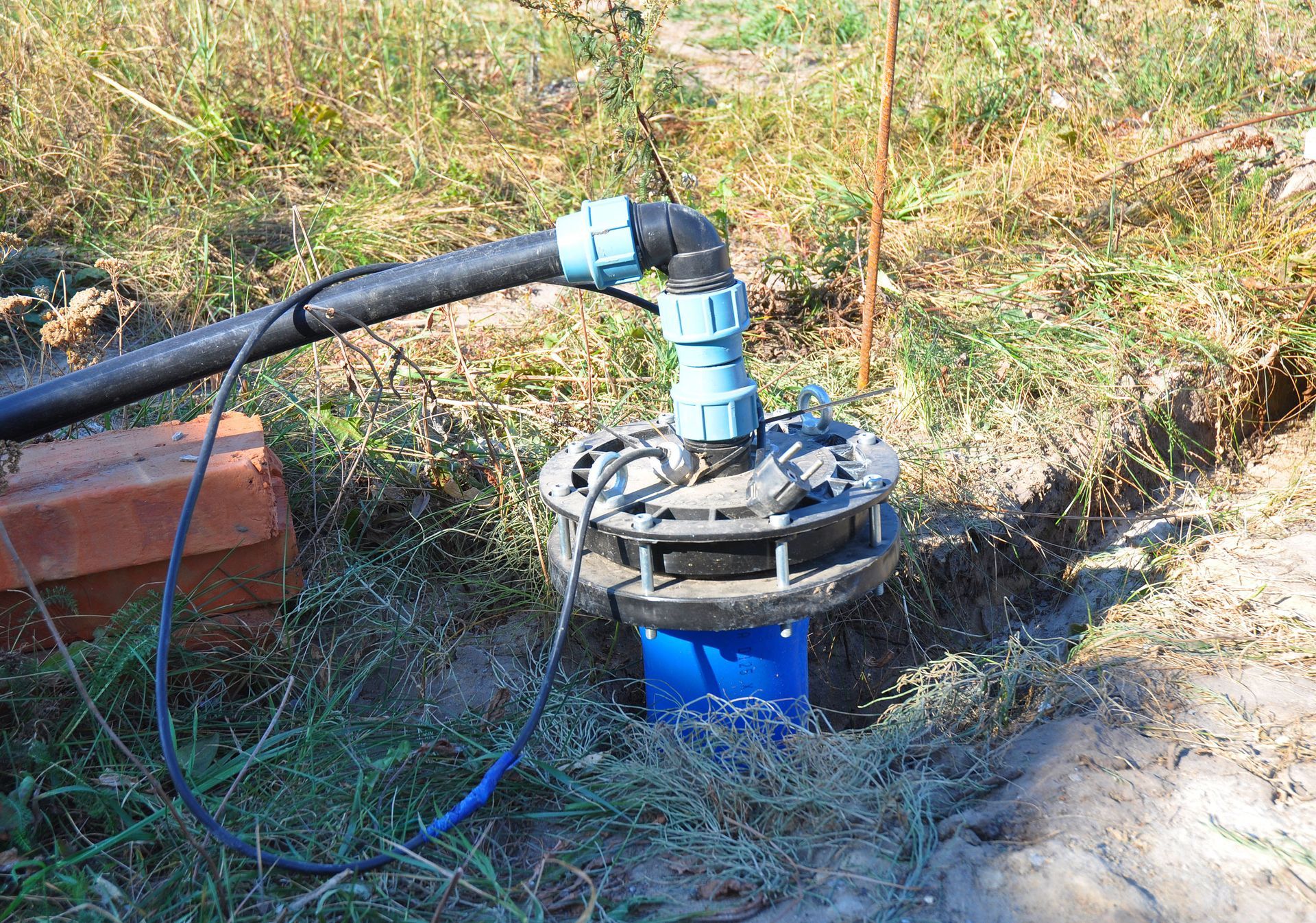
Residential water systems are broadly categorized into distinct mechanical types based on the depth of your local water table. The two most common engineering choices are submersible pumps and above-ground jet pumps. A submersible well pump is installed deep within the vertical well casing, completely submerged in water, and utilizes a series of stacked, spinning internal impellers to push water upward to the surface.
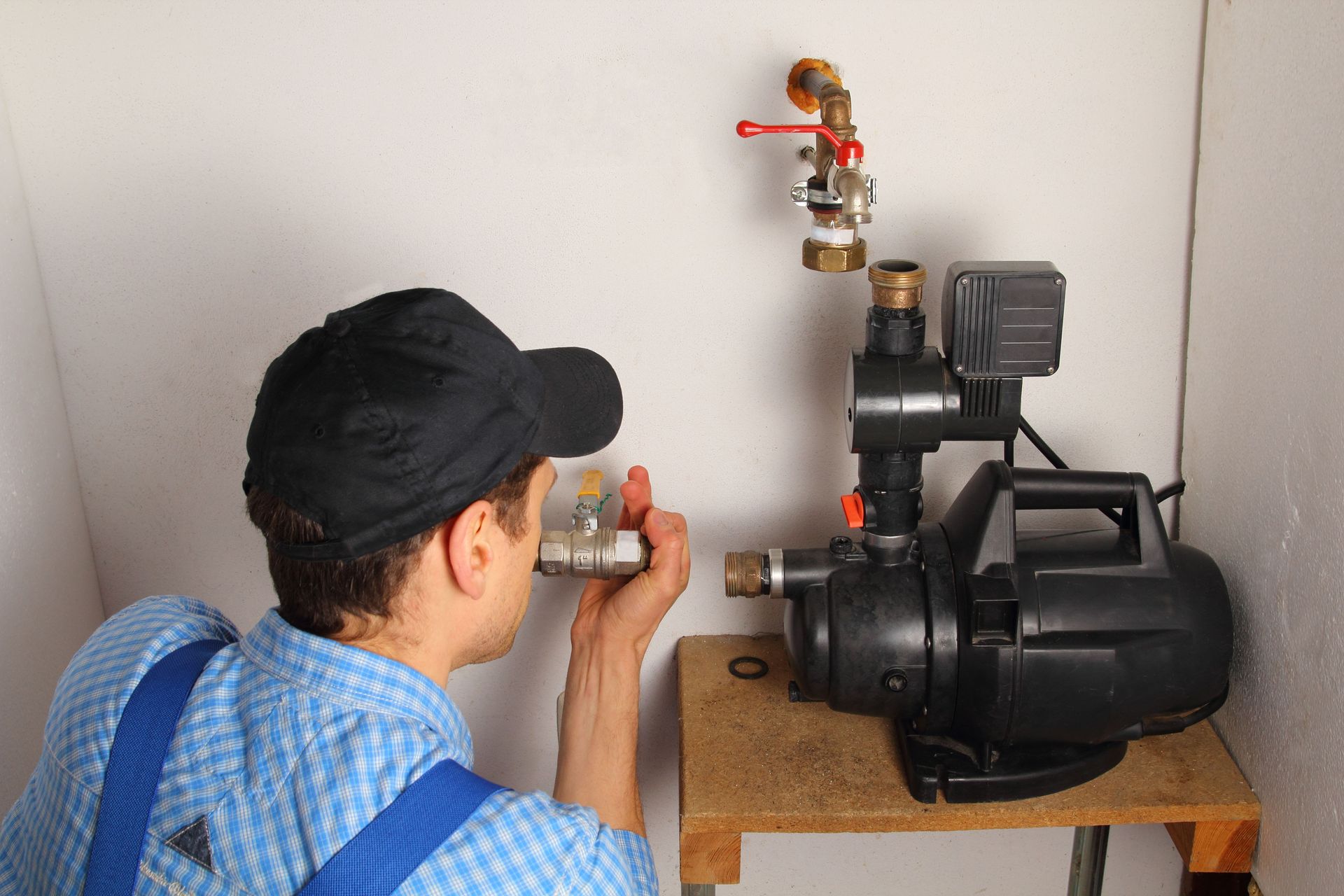
Conversely, jet pumps are mounted completely above ground in a well house or basement, utilizing an internal vacuum mechanism to create intense atmospheric suction that pulls water upward through a pipe. Selecting the correct machinery depends heavily on your specific well depth, local peak water demands, and regional environmental factors.
System Components & Mechanical Operations
A fully operational water extraction framework relies on several specialized mechanical components working in perfect harmony. At the heart of the system is the well pump motor, which provides the rapid rotational force necessary to move massive columns of water. This motor is connected to a network of heavy-duty drop pipes and specialized check valves that maintain a strict one-way flow of water, preventing gravity from draining the system backward.
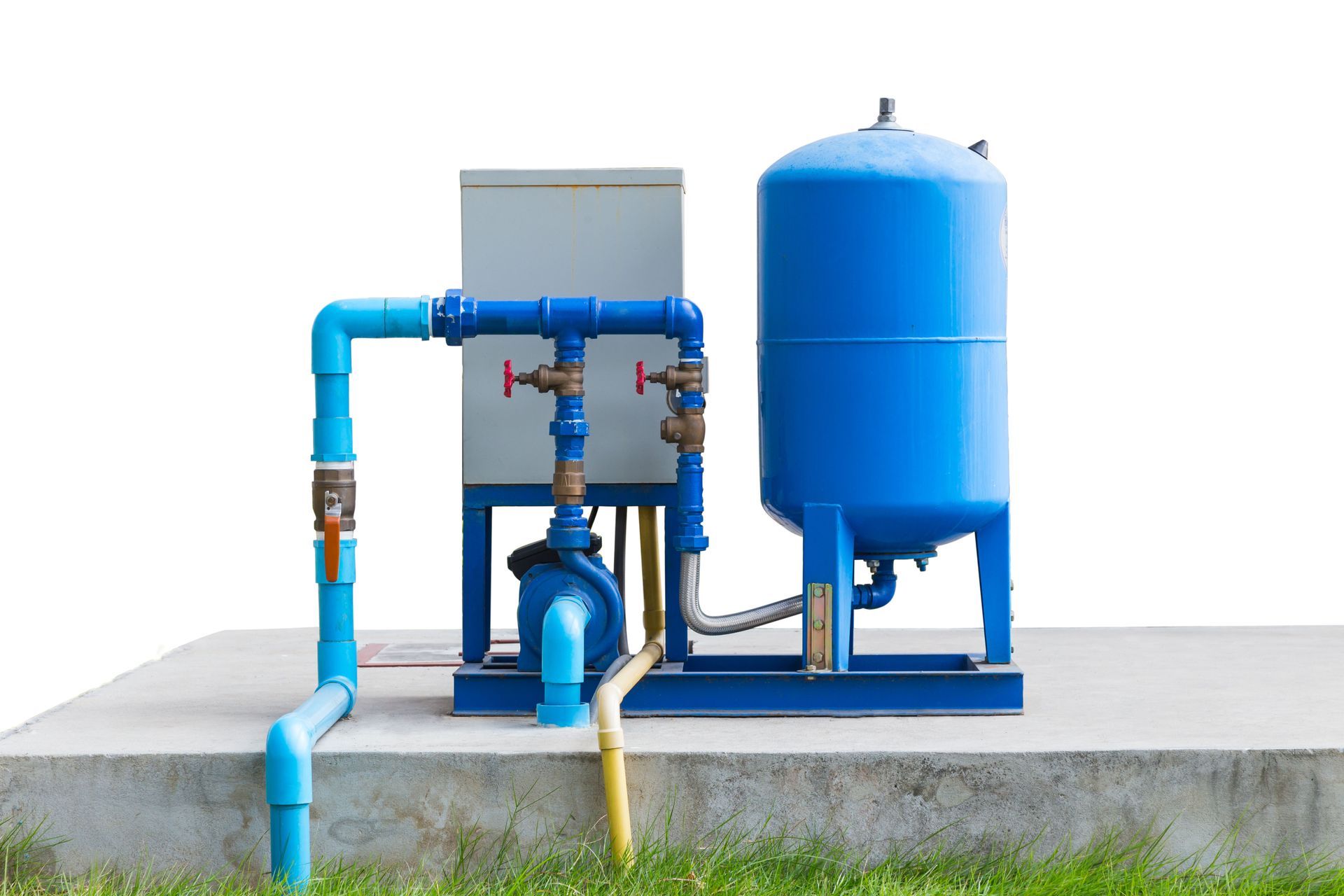
On the surface, an automatic electrical pressure switch monitors the system, turning the motor on and off based on household water use. This switch works directly with a pressurized expansion tank, which stores a ready reserve of water and regulates home plumbing pressure to prevent the pump motor from cycling too rapidly and overheating.
Typical Lifespan of Well Pumps
Submersible vs. Jet Pump Longevity
The structural life expectancy of your extraction system is heavily dictated by its operational environment and mechanical design. A premium submersible well pump boasts a standard operational lifespan of 8 to 15 years. Because it operates completely underwater, it benefits from constant, natural thermal cooling, which prevents the electric motor coils from overheating. However, retrieving it for repairs requires specialized heavy-lifting equipment.
On the other hand, an above-ground jet pump typically lasts between five and ten years. While it is much easier to access and service, its mechanical components are exposed to air, ambient moisture, dust, and freezing winter temperatures, which can accelerate the degradation of seals and electrical contacts.
Water Quality Impacts & Wear Signs
The chemical composition of your groundwater is a massive variable that directly impacts how long your well pump survives. For instance, hard water with heavy calcium, iron, and magnesium concentrations can cause scale buildup along the intake screens, forcing the motor to work harder and run hotter. High sediment levels act as an abrasive sandpaper, eroding internal impellers and ruining watertight seals.
Property owners must watch for early warning signs of physical wear, including fluctuating household water pressure, sputtering faucets caused by air lines leaking, clicking noises from the electrical control box, or sudden spikes in your monthly electrical utility bill.
Essential Well Pump Maintenance Tips
Regular Inspections & Structural Auditing
Executing a comprehensive mechanical inspection every 12 months is the absolute best way to maximize the lifespan of your infrastructure. A professional technician will measure the motor's electrical amperage draw to confirm the internal windings are healthy and check the structural integrity of the well cap to prevent surface water or insects from contaminating the well.
They will also verify that the pressure switch contacts are free of carbon pitting, ensuring a smooth flow of power. These regular checks catch minor electrical and structural vulnerabilities before they escalate into an unexpected utility failure.
System Flushing & Chemical Sanitization
Over time, biological iron bacteria and fine silt naturally accumulate inside your well casing and drop lines. Periodically flushing the entire system by opening dedicated drain valves clears out these restrictive blockages and prevents premature wear on your well pump mechanics.
In cases where testing reveals bacterial growth or heavy bio-fouling, performing a professional shock chlorination treatment is necessary to sanitize the well water and dissolve stubborn organic slime. Keeping these pathways clear reduces friction, optimizes water flow, and lowers your overall home energy costs.
Operational Efficiency and Electrical Testing
Monitoring Voltage Fluctuations
The electrical supply feeding your well pump is just as critical as its mechanical components. Minor voltage drops or unexpected power surges can permanently damage the sensitive electrical insulation wrapped around the motor coils, leading to short circuits.
During a standard maintenance visit, specialized technicians measure incoming line voltages to ensure they stay within the equipment's strict operational thresholds. Installing heavy-duty surge protectors inside your primary control panel safeguards the machine from lightning strikes and grid fluctuations, ensuring long-term utility safety.
Optimizing Your Pressure Tank Bladder
Your expansion tank relies on a flexible, internal rubber bladder to separate the compressed air chamber from the stored water column. Over a multi-year period, this air charge can slowly deplete, or the rubber can crack and rupture.
When this happens, the tank becomes completely waterlogged, stripping the plumbing system of its safety buffer and forcing the well pump to activate every single time you turn on a faucet. Checking and refilling this air pre-charge twice a year reduces unnecessary strain and keeps your energy usage under control.
Your residential well pump is a critical asset that demands consistent care, professional technical oversight, and regular maintenance to deliver a reliable supply of fresh water. By understanding how your system operates and taking proactive steps to monitor water quality and mechanical wear, you can easily avoid expensive structural failures and enjoy flawless system performance for decades.
Neglecting this subterranean hardware risks severe water pressure drops, biological contamination, and sudden system shutdowns that can disrupt your entire household. Routine system tune-ups not only preserve your daily peace of mind but also optimize your monthly energy consumption by ensuring the motor runs under ideal mechanical loads. Protecting this vital link to your property’s clean water grid requires specialized technical skill, advanced diagnostic machinery, and a commitment to preventive upkeep that safeguards your long-term real estate valuation.
When you are ready to secure your property's water infrastructure with precision engineering, advanced diagnostics, and peerless craftsmanship, partner with the certified plumbing specialists at Clear Flow Water Solutions to inspect and optimize your private utility system today.

Share On: