

The Most Common Well Pump Problems (And How Pros Fix Them)
A residential water system that relies on a private well depends heavily on consistent pump performance. When the pump begins to fail, the entire household can experience interruptions in water supply, pressure fluctuations, or complete loss of water access. Many homeowners are unaware of how complex these systems are until a breakdown occurs. A well pump operates by drawing groundwater from underground sources and delivering it into the home through a pressurized system.
According to the U.S. Geological Survey, groundwater supplies drinking water to about 140 million people in the U.S., which is nearly half of the national population, highlighting how critical these systems are for daily living. When problems arise, they often stem from electrical issues, mechanical wear, or water supply changes underground. Skilled technicians offering well pump services are trained to diagnose these failures efficiently and restore normal operation. Understanding how these systems function is the first step toward preventing long-term damage and costly repairs.
Identifying Pressure Loss and Flow Irregularities
One of the most common signs of pump trouble is inconsistent water pressure throughout the home. Homeowners may notice that faucets produce weak streams or that pressure fluctuates unpredictably during use. These symptoms often indicate issues within the pressure tank, pump motor, or control switch.
Air leaks in the system can also contribute to irregular water flow, reducing overall efficiency. In some cases, sediment buildup in pipes restricts water movement and creates uneven distribution. Professionals who provide well pump services typically begin by testing system pressure and inspecting key components for wear or malfunction. They also evaluate the pressure switch settings to ensure the pump activates and deactivates at appropriate levels. Addressing these issues early helps prevent complete system failure and maintains steady water delivery throughout the home.
Diagnosing Electrical System Malfunctions
Electrical issues are another frequent cause of well pump failure. Because pumps rely on a consistent electrical supply, any disruption can cause immediate system shutdown. Faulty wiring, tripped breakers, or damaged control boxes may prevent the pump from operating correctly. Homeowners may experience sudden loss of water or hear unusual clicking sounds from the control system.
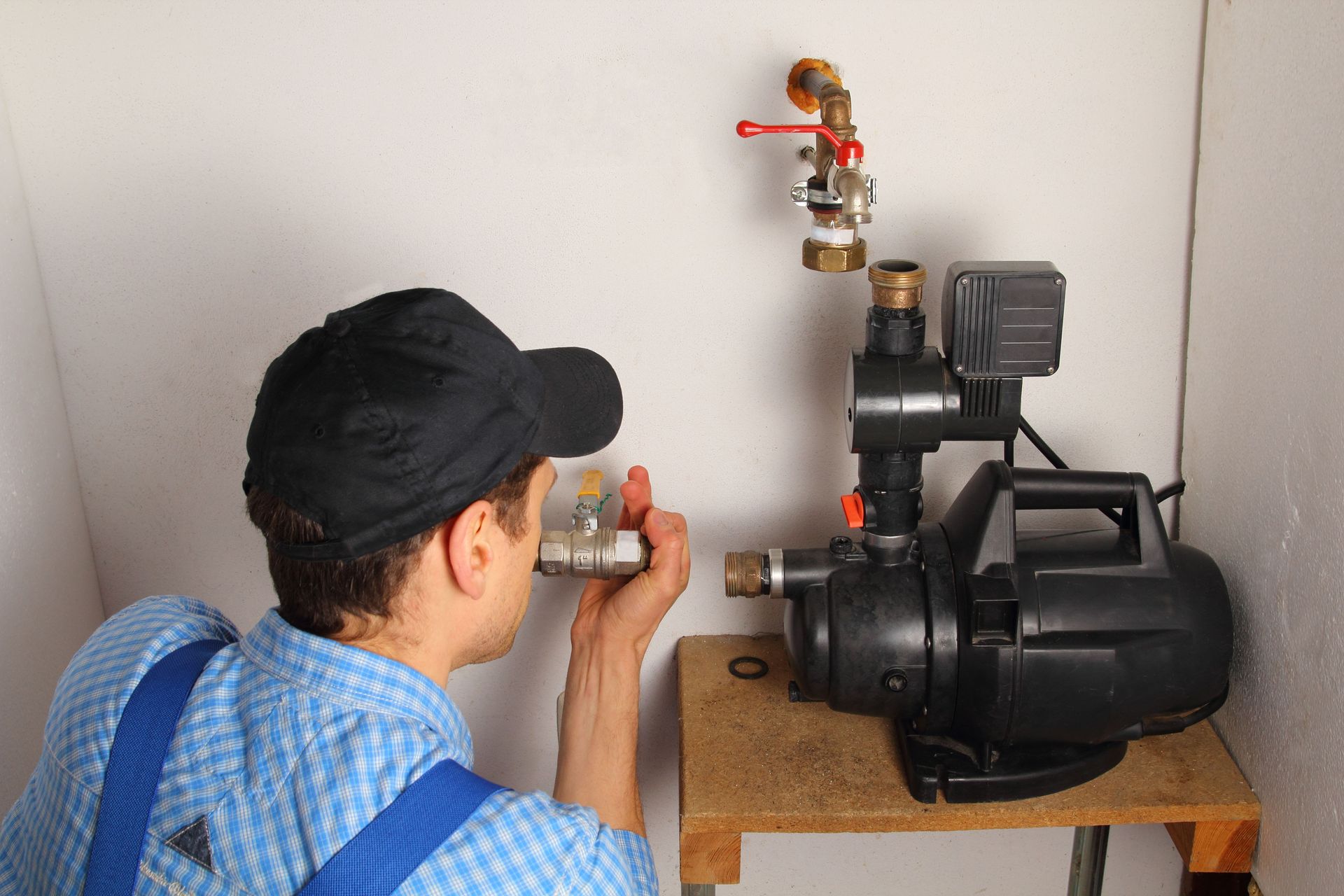
Moisture intrusion into electrical components can also create dangerous conditions and system instability. Technicians offering well pump services carefully inspect electrical connections, test voltage levels, and replace damaged parts when necessary. They also ensure that safety mechanisms are functioning properly to prevent future electrical hazards. Proper diagnosis of electrical problems is essential because incorrect handling can worsen damage or create safety risks within the home.
Addressing Pump Motor Wear and Damage
The pump motor is one of the most critical components in a well system, and over time, it can experience significant wear. Continuous operation, sediment exposure, and voltage fluctuations can all contribute to motor degradation. When a motor begins to fail, homeowners may hear grinding noises, experience reduced water flow, or notice complete system shutdowns.
In some cases, overheating can cause internal components to burn out. Regular maintenance helps extend motor lifespan, but eventual replacement is often necessary in older systems. Professionals offering well pump services evaluate motor condition using specialized diagnostic tools to determine whether repair or replacement is the best option. Replacing worn motors ensures reliable water delivery and prevents recurring breakdowns that disrupt household routines.
Repairing Pressure Tank Deficiencies
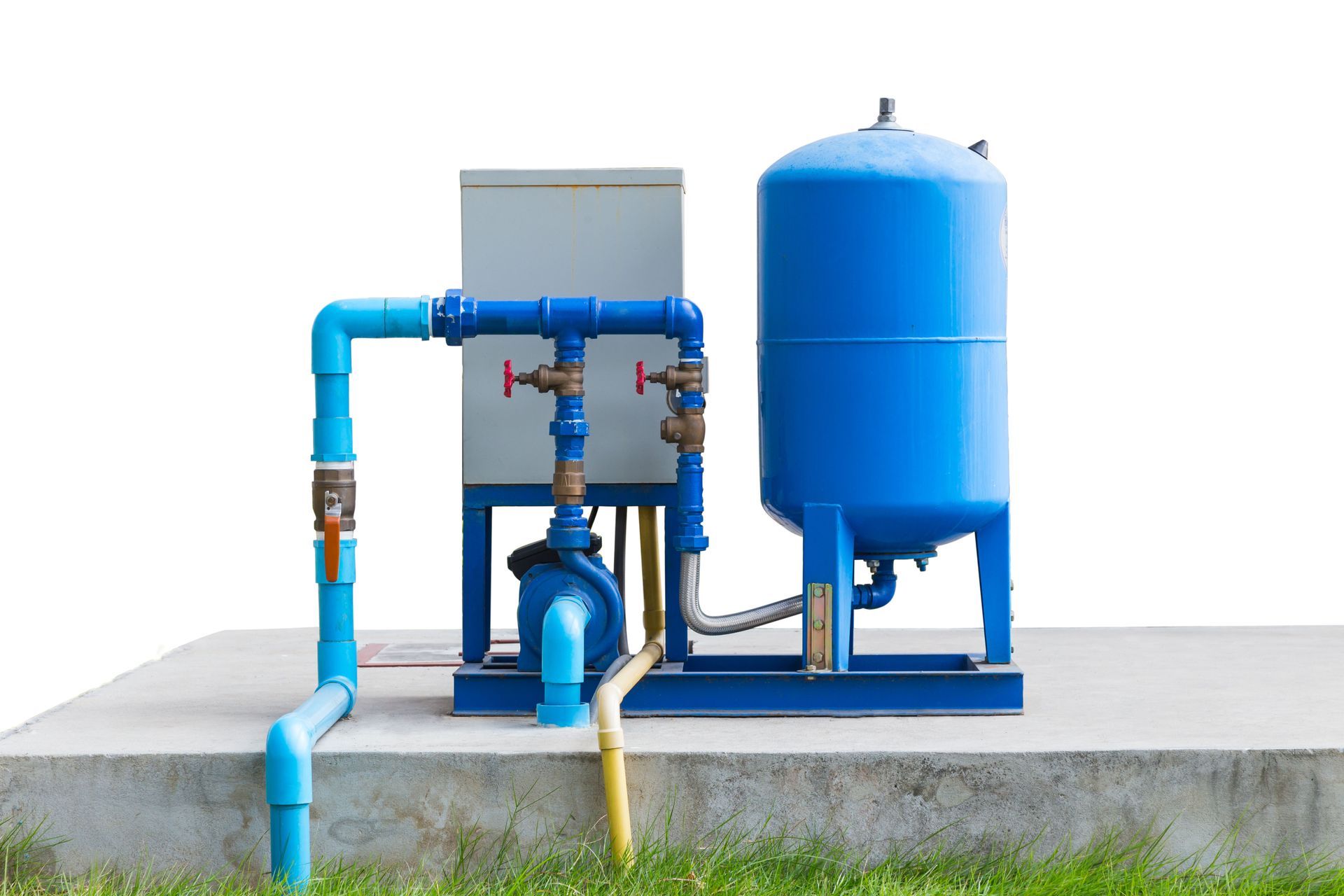
The pressure tank plays an essential role in maintaining consistent water pressure and reducing strain on the pump. When this component fails, the entire system can become unstable. Common issues include air bladder failure, leaks, or corrosion inside the tank.
These problems often result in rapid cycling, where the pump turns on and off too frequently. This not only affects water pressure but also shortens the lifespan of the pump system. Technicians performing well pump services inspect tanks for proper air charge levels and structural integrity. If a tank is damaged beyond repair, replacement is often recommended to restore system balance. Ensuring the pressure tank functions correctly helps maintain steady water flow and reduces unnecessary wear on other components.
Resolving Sediment and Mineral Buildup
Sediment and mineral deposits are common challenges in well water systems. Over time, particles such as sand, iron, and calcium can accumulate within pipes and pump components. This buildup restricts water flow and reduces system efficiency. In severe cases, it can cause clogs or damage internal pump parts. Homeowners may notice cloudy water, unusual tastes, or reduced pressure as early warning signs.
Professionals offering well pump services often flush the system and clean affected components to restore proper function. They may also recommend filtration or water treatment systems to prevent future buildup. According to water system research and environmental studies, mineral-rich groundwater conditions are widespread in many regions, making sediment control an important aspect of long-term maintenance. Preventing buildup helps extend system lifespan and improve water quality.
Fixing Dry Well and Water Table Issues
A less common but serious problem occurs when the well itself runs low on water. Seasonal changes, drought conditions, or increased groundwater usage in the area can cause water levels to drop. When this happens, the pump may begin drawing air instead of water, leading to system strain and potential damage.
Homeowners might hear sputtering noises or experience intermittent water supply. Technicians providing well pump services assess water levels and evaluate whether the well is still producing a sufficient supply. In some cases, lowering the pump deeper into the well or adjusting system settings can help restore function. However, persistent low water levels may require long-term solutions such as well deepening or system redesign. Proper evaluation ensures that the pump is not damaged by operating without adequate water.
Correcting Control Switch and Sensor Failures
Control switches and sensors regulate pump operation by monitoring pressure levels and activating the system when needed. When these components fail, the pump may run continuously or fail to start altogether. Faulty sensors can misread pressure levels, leading to inefficient system cycling.
Homeowners may notice inconsistent operation or complete loss of water supply. Professionals offering well pump services test these components to ensure accurate readings and proper functionality. Replacing worn or malfunctioning switches restores system balance and prevents unnecessary strain on the pump motor. Because these components are relatively small but essential, regular inspection helps prevent larger system failures. Ensuring proper control operation improves both efficiency and reliability.
Managing Pipe Leaks and Structural Damage
Leaks within the piping system can significantly reduce water pressure and waste valuable resources. These leaks may develop due to corrosion, shifting soil conditions, or aging materials. In underground systems, leaks are often difficult to detect without specialized equipment.
Signs may include wet areas in the yard, rising utility costs, or reduced water pressure inside the home. Technicians performing well pump services use pressure testing and leak detection tools to locate damaged sections. Once identified, repairs or pipe replacements are carried out to restore system integrity. Addressing structural issues quickly prevents further damage and ensures consistent water delivery. Maintaining pipe health is essential for long-term system performance.
Maintaining Long-Term Pump Efficiency
Long-term performance of a well system depends on regular maintenance and timely repairs. Preventive care helps identify small issues before they develop into major system failures. Routine inspections typically include checking pressure levels, testing electrical components, and evaluating water quality. Homeowners who schedule maintenance are less likely to experience unexpected breakdowns or costly emergency repairs.
Professionals providing well pump services also offer recommendations for system upgrades that improve efficiency and durability. These improvements may include advanced filtration systems, updated pressure tanks, or more efficient pump models. Consistent maintenance ensures that the system continues to operate reliably and efficiently over time. Proactive care is the key to extending equipment lifespan and maintaining water quality.
With proper care and expert intervention, most well system problems can be resolved efficiently and safely. Reliable maintenance and timely repairs also help extend the life of the entire water system. Homeowners benefit greatly from professional oversight when dealing with complex pump issues that require technical expertise.
If you are experiencing water pressure issues, pump failures, or need maintenance, contact Clear Flow Water Solutions for dependable well pump services. Our experienced technicians provide accurate diagnostics, efficient repairs, and long-term solutions designed to keep your water system operating at its best.
Share On: